
Sustainable stops and community hubs: The future of EV charging stations
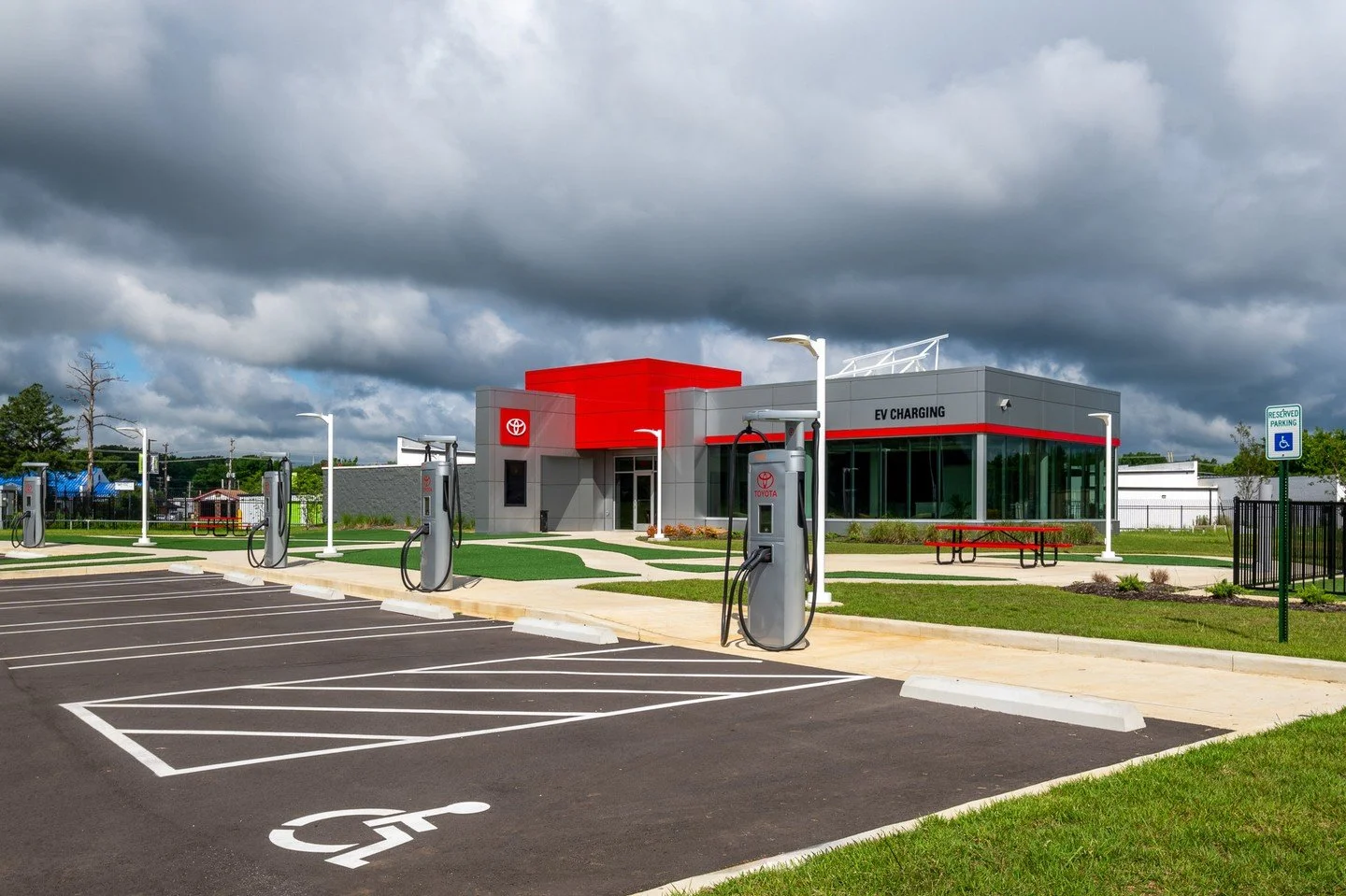
As the effects of climate change become increasingly evident, industries across the globe are rethinking traditional practices, seeking greener alternatives that reduce their carbon footprint and enhance community well-being. One of the most promising developments in this transition is the evolution of electric vehicles (EVs). EV charging stations, essential for EV owners, are evolving beyond their practical role in sustainability. They are being reimagined as community hubs, offering a range of environmental and societal benefits.
The rise of EVs is an integral part of our transition toward a more environmentally friendly future. As they gain popularity, the demand for accessible and reliable charging infrastructure has surged. To truly support the shift to electric mobility, it is essential to create a space that encourages EV adoption while also offering a range of amenities that cater to the needs of modern travelers and local residents.
The traditional model of a gas station – functional, utilitarian, and often lacking in comfort – no longer aligns with the ethics of today's environmentally conscious consumers. Modern EV charging stations can step up by offering more than just a place to recharge vehicles. They can become destinations in their own right, designed to provide a variety of services that transform them into vibrant centers.
Imagine a charging station that not only powers your vehicle but also offers comfortable lounge and office areas. These amenities establish a welcoming realm for travelers to relax, work, or play while their vehicles charge. Such facilities cater to the high number of remote workers and digital nomads who seek flexible spaces. Furthermore, they offer families a safe and enjoyable place to rest during long trips, making EV travel more appealing to a broader audience.
Environmental benefits
The environmental benefits of these initiatives cannot be overstated. EV charging stations can now be powered by renewable energy sources such as solar panels. This not only reduces the carbon footprint associated with charging vehicles but also contributes to the overall goal of achieving a cleaner energy grid. Solar panels, often accompanied by battery storage systems, ensure that these terminals can provide power even during peak demand or in case of grid outages, enhancing energy resilience. Additionally, they can serve as local energy centers, feeding surplus power back into the grid or supporting nearby establishments during emergencies, further amplifying their positive effect.
Community engagement
Beyond their environmental impact, these modern EV charging stations offer significant social benefits. By serving as community hubs, they can foster a sense of belonging and engagement among local residents. Events, workshops, and gatherings can be hosted at these locations, promoting social cohesion and providing opportunities for local businesses to connect with customers.
Economic growth
The economic impact of such facilities is also noteworthy. The development and operation of EV charging stations create jobs, from construction and maintenance to customer service and management. These centers can attract other businesses, such as cafes, restaurants, and retail stores, boosting local economies and producing a thriving ecosystem of commerce and services.
Furthermore, the presence of well-designed and accessible EV charging stations can increase property values in the surrounding areas. As more people transition to EVs, the demand for convenient charging options will continue to grow. Neighborhoods that invest in this now are positioning themselves as appealing destinations for environmentally conscious residents and businesses.
As we look toward the future, the role of EV charging stations will only become more significant. They are not just a piece of infrastructure but a symbol of our commitment to a sustainable and connected world. By embracing innovative designs and green technologies, these hubs can provide a model for future development, demonstrating how sustainability and community can go hand in hand.
The evolution of EV charging stations represents a significant step forward in our journey toward a more environmentally friendly and inclusive society. These facilities offer a unique opportunity to promote the use of renewable resources, support local economies, and enhance the quality of life for residents and travelers alike. As we continue to navigate the challenges of climate change and urbanization, the development of these spaces will play a key role in shaping a sustainable future for all.